
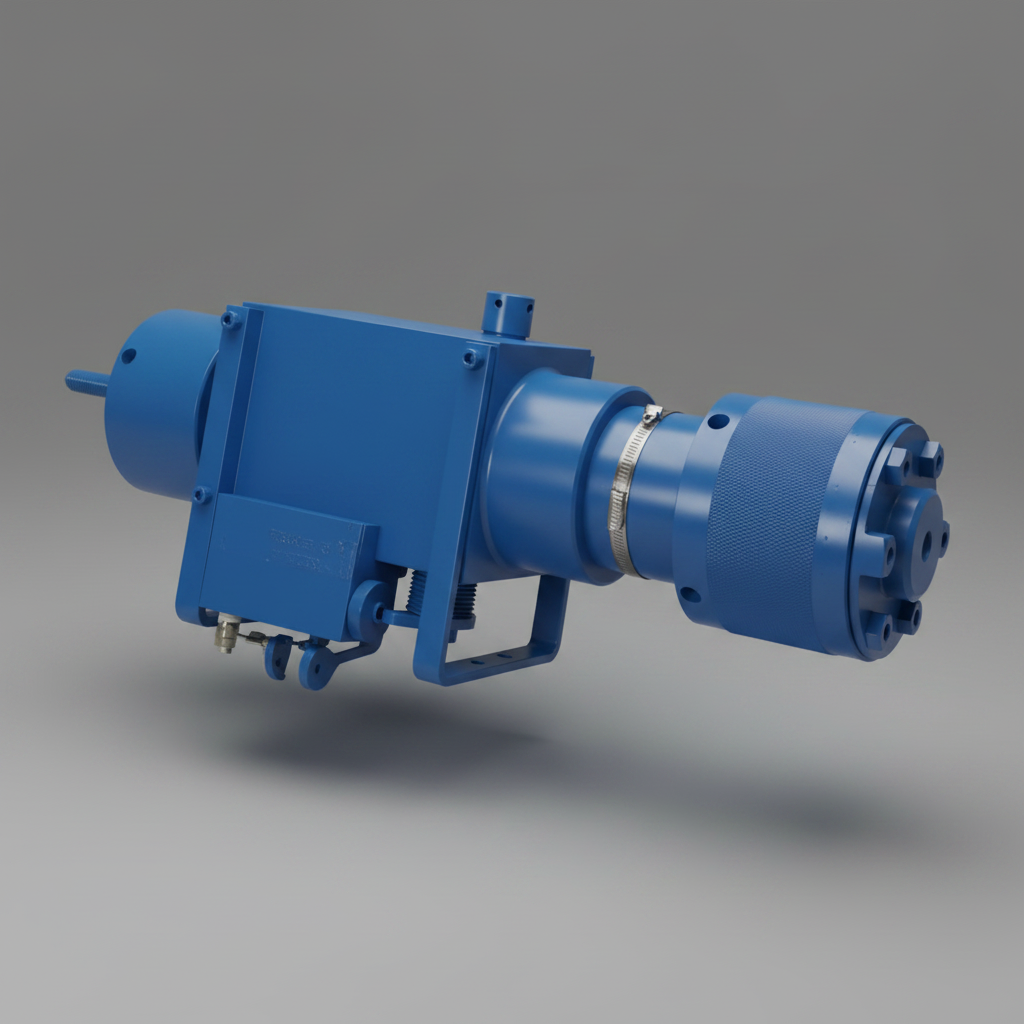
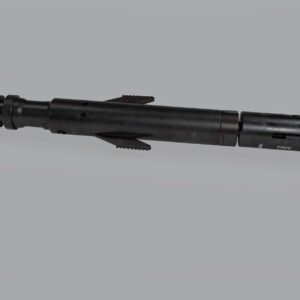
PCE Hydraulic Tool Trap
Technical Description and Specifications
The Hydraulic Tool Trap is a critical safety device installed at the base of the lubricator string, usually just above the Blowout Preventer (BOP). Its primary role is to serve as a mechanical barrier that prevents the Bottom Hole Assembly (BHA) from accidentally falling into the wellbore if the wire parts or the tool string is inadvertently released while inside the lubricator.
Key Technical Specifications and Operation
Function: To provide a “safety floor” for the tool string. It ensures that if a component is dropped or the rope socket fails, the tools are caught before they can descend into the well, which would otherwise result in a costly and difficult fishing operation.
Mechanism: The tool features a spring-loaded “flapper” or “gate” that defaults to the closed position. When the tool string is being lowered into the well, the flapper must be held open hydraulically. When pulling out of the hole, the BHA can simply push the flapper open as it moves upward (self-clearing).
Hydraulic Control: The flapper is operated remotely from the slickline unit via a hydraulic hand pump. This allows the operator to maintain a “closed” trap at all times, only opening it deliberately when the tool string is ready to pass into the wellbore.
Full Bore Opening: When hydraulically retracted, the flapper provides a full-bore opening that matches the ID of the lubricator, ensuring there is no interference with the BHA or the wire.
Visual Indicator: Many models include a mechanical indicator arm on the exterior to provide the operator with visual confirmation of whether the flapper is in the open or closed position.
Customization and Materials
Material: Constructed from high-strength alloy steel (4140). All internal moving parts, including the flapper and pivot pins, are NACE MR0175 compliant to ensure they do not seize or fail in sour service.
Connection Types: Available with various industry-standard Quick Unions (Bowen, Otis, etc.) to integrate seamlessly into the PCE stack.
Seal Options: While primarily a mechanical trap, some versions include elastomer seals on the flapper to provide a secondary low-pressure seal.
Critical Parameters
| Parameter | Customizable Range |
| Working Pressure | 5,000 psi, 10,000 psi, 15,000 psi |
| Internal Diameter (ID) | 2.5″, 3.0″, 4.0″, 5.125″ |
| Actuation | Hydraulic (Primary) with Spring Return |
| Service Rating | Standard or Sour Service |
Reviews
There are no reviews yet.